
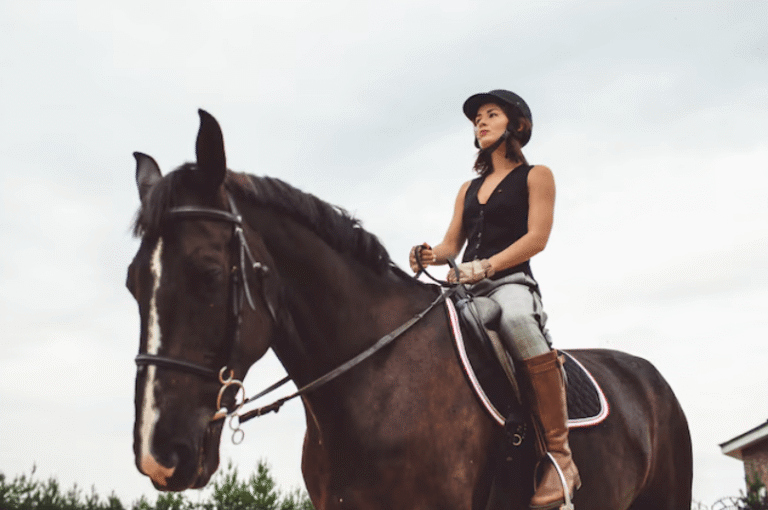
The world of horse racing demands more than just physical prowess; it requires an intricate understanding of mental fortitude. Jockeys face intense pressure, where the stakes are high and the competition fierce. Their ability to remain focused amid chaos is pivotal. Techniques such as mindfulness and visualization are not merely routine; they are essential tools for maintaining composure. Yet, how do these strategies shape their performance and the bond with their horses? The answer lies in the nuances of their psychological approach.
The Importance of Mental Resilience in Racing
Mental resilience stands as a cornerstone in the demanding world of horse racing, where the stakes are high and the pressures are relentless.
Jockeys must cultivate mental toughness and emotional stability to navigate the intense competition and unpredictability of the sport.
This resilience not only enhances their performance but also fosters a sense of freedom, empowering them to face challenges with confidence and poise.
Techniques for Managing Performance Anxiety
Many jockeys experience performance anxiety, which can significantly impact their racing outcomes.
To combat this, many employ breathing exercises to ground themselves during high-pressure moments.
Additionally, mindfulness practices help them cultivate presence and clarity, allowing for a more liberated mindset.
Building Trust and Communication With the Horse
Establishing a strong bond between jockey and horse is crucial for optimal performance on the racetrack.
This horse jockey bond fosters trust, allowing the animal to respond intuitively to communication cues. By understanding each other’s needs and emotions, the partnership flourishes, enhancing focus and synergy during races.
Such mutual respect not only elevates performance but also nurtures a sense of freedom and unity.
The Role of Visualization in Race Preparation
Visualization serves as a powerful tool in the race preparation of jockeys, enabling them to mentally rehearse their strategies and responses before competition.
Conclusion
In the high-octane world of racing, jockeys navigate a delicate dance between adrenaline and composure, where mental fortitude becomes their silent ally. By employing techniques that foster calm amidst the storm, they cultivate a profound connection with their steeds, transforming anxiety into a focused drive. As they visualize success, these skilled athletes not only prepare for the race ahead but also embrace the journey, reminding us that the path to victory is often paved with the quiet strength of the mind.