
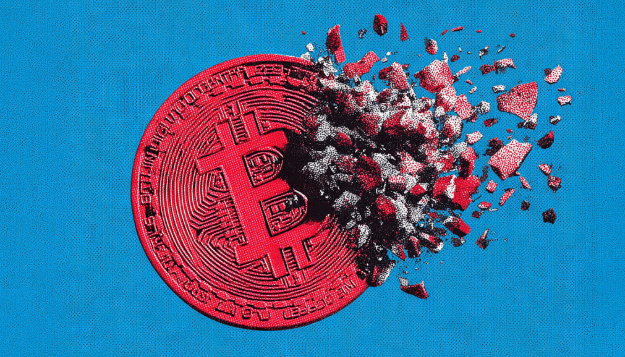
Fake crypto apps present a polished front that lures users into trusting them. They imitate legitimate platforms, using plausible branding to prompt quick judgments. Behind the veneer, credential harvesting, phishing, and fake wallets siphon funds and seed phrases. Signals are subtle: opaque permissions, erratic security prompts, and doubtful provenance. The result is a calculated erosion of security margins. If these tricks are understood, the next step becomes clear, though the defenses are complex and the stakes remain high.
How Fake Crypto Apps Trick Your Senses
Fake crypto apps exploit human perception by presenting polished visuals, plausible branding, and rushed functionality that mimics legitimate platforms.
The deception relies on fake UIs that trigger quick judgments, not careful scrutiny. Phishing indicators may be subtle, yet consistent branding betrays legitimacy.
Crypto scams exploit user psychology, encouraging haste, trust, and risk-taking—despite warnings and verifiable evidence against legitimacy. Vigilance remains essential.
See also: Crypto to the Moon Moneysideoflife
How They Steal Credentials and Funds
Cybercriminals progress from convincing appearances to direct credential and fund theft by exploiting weaknesses in user behavior and platform design. They rely on fake wallets, phishing schemes, credential harvesting, and fake token scams to capture login data, seed phrases, and private keys. Attacks target misleading interfaces and hurried actions, exploiting cognitive biases while evading detection, demanding scrutiny of app credibility and source legitimacy.
How to Detect Red Flags Before You Lose Access
Users can mitigate risk by recognizing clear warning signs that precede credential and asset loss; systematic scrutiny of app legitimacy and interface behavior reduces exposure to fraud. The approach emphasizes fraud indicators and red flags identified through independent verification, persistent user vigilance, and skepticism toward opaque features. Scam awareness rests on corroborated reviews, transparent permissions, and consistent security prompts, not promotional rhetoric.
How to Protect Your Assets and Your Peace of Mind
Ultimately, protecting assets and peace of mind hinges on disciplined verification, cautious behavior, and layered safeguards that reduce exposure to fraudulent crypto apps. The analysis favors skepticism, emphasizing provenance checks, app store credibility, and independent reviews. Users should minimize credential theft risk by employing unique passwords, hardware wallets, and multi-factor authentication, while remaining vigilant against subtle phishing and copycat interfaces.
Frequently Asked Questions
What Licenses Do Legitimate Crypto Apps Require to Operate?
The licenses legitimate crypto apps require vary by jurisdiction, but typically include registration, securities or money services licenses, and regulatory compliance audits. Examining fake app licensing highlights gaps; rigorous oversight is essential for freedom and consumer protection.
Can Fake Apps Drain My Cold Storage Wallets?
Initially, yes, fake wallets can drain cold storage if credentials or seed phrases are compromised through phishing frauds, but careful handling and verification mitigate risk; distrust suspicious apps, since criminals exploit psychology rather than technology alone.
Do Fake Apps Impersonate Trusted Exchanges or Wallets?
Fake exchanges frequently impersonation wallets, enabling credential theft and phishing. The evidence shows attackers clone interfaces and copy logos to deceive users; skepticism is warranted, as such apps exploit trust, urging freedom-minded users to verify sources before interaction.
How Quickly Can I Recover Stolen Funds From Scams?
How quickly can I recover stolen funds from scams? The answer remains uncertain; recovery depends on jurisdiction, exchange cooperation, and evidence quality. How to Verify Exchange Legitimacy and Red Flags in App Store Reviews guide cautious, evidence-based recovery expectations.
Are There Offline Precautions Beyond Password Changes?
Like a lighthouse in fog, the answer is: yes. The user should employ offline encryption and verify phishing indicators; offline precautions beyond password changes include device audits, network isolation, and secure backups to preserve freedom and minimize risk.
Conclusion
Fake crypto apps deploy polished visuals, convincing branding, and hurried UX to trap doubtful users. They imitate legitimate wallets, harvest credentials, and orchestrate phishing schemes that threaten funds and privacy. Despite surface polish, red flags—opaque permissions, inconsistent security prompts, dubious provenance—reveal manipulation. Robust verification, independent reviews, and strict credential hygiene are essential safeguards. By applying layered defenses and skepticism, the risk of compromise diminishes. Will complacency be the final unlock for a thief, or will vigilance preserve control over assets?
