
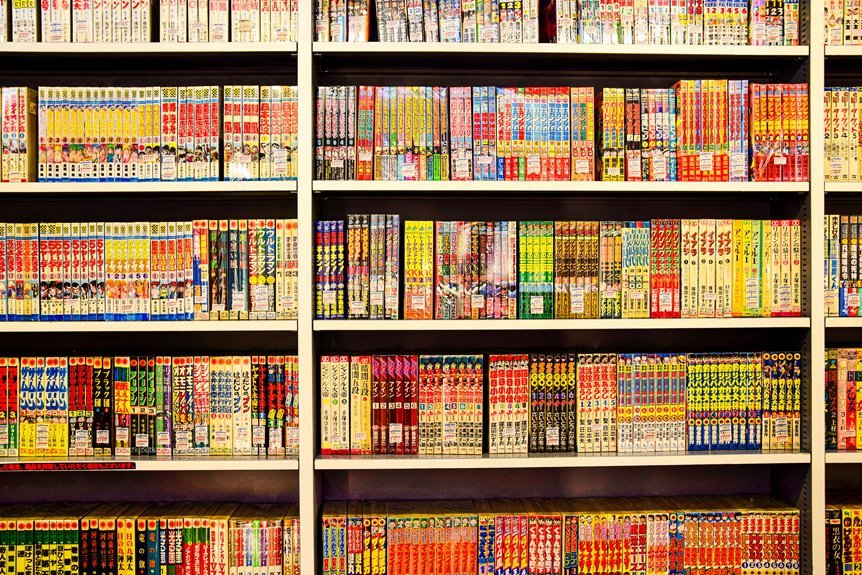
Light novels and manga present distinct storytelling cadences. Prose affords interiority, motive, and extended narration; panels impose pace and visual immediacy. Publication rhythms shape how each format evolves and appeals to different audiences. Cross-media ties influence choices in tone, scope, and access. The contrast invites scrutiny: where one format offers depth, the other delivers glanceable momentum. What choice best suits the story’s core—introspective nuance or kinetic clarity—remains a matter of context, and the answer is not straightforward.
How Light Novels Convey Story: Prose, Inner Thought, and Pacing
Light novels convey narrative primarily through prose that blends descriptive detail with character perspective, enabling a direct line to internal states without the immediacy of visual panels. The method highlights dialogue pacing and character psychology, shaping tempo through sentence rhythm, focalization, and interior digressions. This approach fosters contextual understanding of motive, while remaining adaptable to varied reader interpretations and freedom in narrative stance.
How Manga Delivers Story Through Panels, Art, and Dialogue
Manga delivers narrative through a structured interplay of panels, art, and dialogue, where sequence and composition govern tempo as much as words do.
The medium exploits panel composition to control viewer focus, synchronizing visual cues with brief captions and character expressions.
Pacing rhythm emerges from panel size, gutters, and transitions, shaping interpretation, mood, and tension without excess verbiage.
Evaluating Experience: When to Read Light Novel vs. Manga
When should a reader choose one medium over the other to maximize comprehension and enjoyment? Evaluating experience hinges on pace and detail: light novels offer interiority via translating tone and extended prose, while manga delivers immediate event cadence through panels. Publication cadence shapes engagement; rapid releases favor manga momentum, slower schedules reward in-depth interpretation via light novels. Context clarifies preference, not superiority.
Crossroads and Convergences: Where Light Novels and Manga Overlap and Adapt
Cross-compatibilities between prose and panel storytelling reveal convergent strengths and shared constraints. This examination identifies how light novels and manga converge through industry practices, serialization pressures, and audience expectations.
Genre adaptations migrate across media, shaping tonal emphasis and pacing. Readership demographics influence format decisions, from visual panels to prose density, underscoring a balance between interpretive engagement and accessibility within contemporary publishing ecosystems.
Frequently Asked Questions
Do Adaptations Ever Diverge Significantly From Their Source Material?
Adaptations can diverge significantly from their source material. They exhibit divergence patterns shaped by medium constraints and pacing choices; adaptation pacing often accelerates or reorders events to fit formats while preserving core themes and intent.
Which Format Typically Costs Less per Chapter or Volume?
Answering: Manga typically costs less per chapter than light novels when considering production scales; budgets tradeoffs favor serials, whereas light novels often endure longer production schedules. The budget tradeoffs and production schedules shape format affordability for readers seeking freedom.
How Do Fan Communities Differ Between Light Novels and Manga?
Fan communities differ: light novels foster intimate, discussion-driven dynamics with slower fandom pacing, while manga induces brisk, visual-centered engagement; fan community dynamics emphasize theory and character nuance, whereas manga audiences emphasize art beats, pacing, and rapid feedback loops.
Can a Story’s Tone Shift Between Prose and Illustrated Forms?
Yes, a story’s tone can shift between prose and illustrated forms, with symbolism guiding readers through tone shifts; illustration influence shapes pacing, mood, and emphasis, while prose preserves internal nuance, producing a contextual, analytical contrast that respects reader autonomy.
Which Format Better Supports Long-Running Character Development?
The format that better supports long-running character development is usually prose, as it allows extended inner thought and gradual arc progression. It facilitates character romance and worldbuilding depth with analytic, contextual precision for freedom-seeking readers.
Conclusion
Light novels and manga deliver narrative through distinct but complementary channels, each shaping reader perception. Prose grants interiority, pacing, and nuanced motive, while panels, art, and dialogue in manga spark immediacy and visual tempo. Readers trade depth for speed or vice versa, influenced by genre and format constraints. Across serialization and adaptation, convergences arise in character arcs and world-building. In contemplating choice, one recognizes a shared semantic terrain: imagery that persuades the imagination even as it tests its endurance, like a map guiding varying journeys.
